




Green Belt & Environmental Initiatives
At Jindal Group of Industries, sustainability begins with respect for nature. Our commitment to environmental stewardship is reflected in a range of proactive initiatives that promote ecological balance, reduce emissions, and improve the quality of life in and around our project areas.
? Green Belt Development
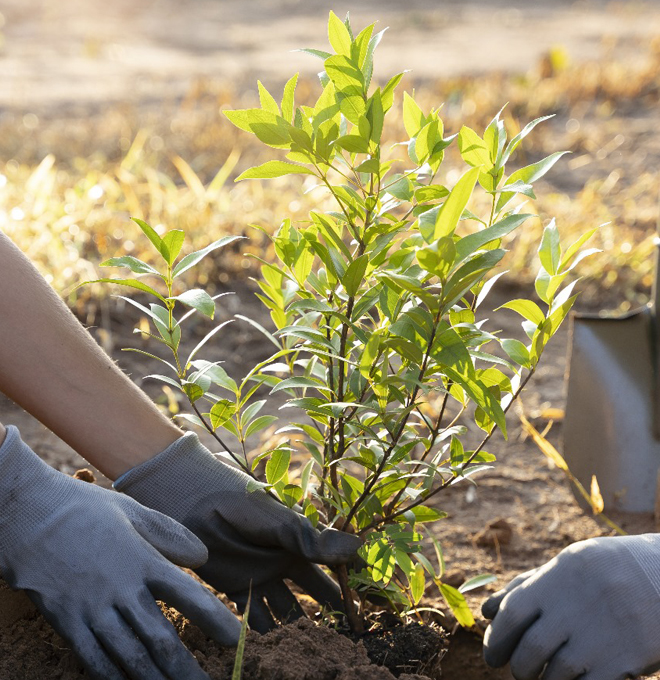
We are implementing a comprehensive Green Belt Initiative aimed at improving air quality, supporting biodiversity, and creating natural buffers around our operations.
A green belt of 5–10 meters width will be developed across approximately 4.62 hectares, covering 33% of the total project area.
A 2,500 trees per hectare, ensuring rich and effective green cover.
A 20-meter wide greenbelt will be developed within the plant premises, specifically along the village, school, and dispensary-facing boundaries, providing an added layer of environmental protection and community well-being.
These efforts not only mitigate pollution and noise but also create a healthier microclimate and contribute to long-term ecological restoration.
? Urban Afforestation & Green Corridors
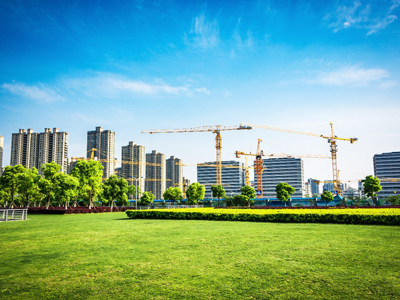
- Active tree plantation drives are undertaken in and around industrial zones.
- Creation of green corridors around operational areas ensures ecological connectivity and environmental harmony.
⚡ Energy Efficiency & Emissions Management
We are committed to reducing our carbon footprint through:
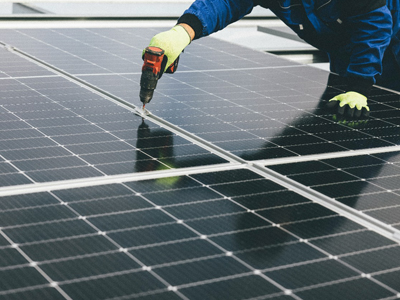
- Adoption of renewable energy sources across operations
- Energy-efficient technologies and infrastructure
- Implementation of strategies to monitor, reduce, and offset carbon emissions
? Water Management
Sustainable water use is central to our operations:
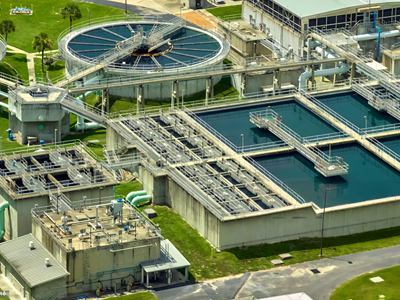
- Rainwater harvesting systems are integrated into facility designs
- Energy-efficient technologies and infrastructure
- Water recycling and reuse systems ensure responsible consumption and reduced dependency on freshwater resources
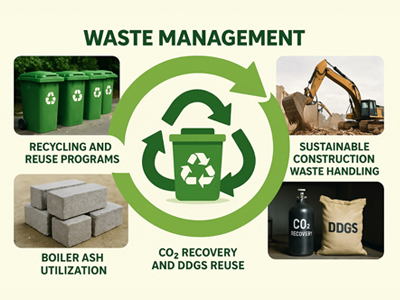
♻️ Waste Management
We practice a circular economy approach through:
- Recycling and reuse programs for industrial and domestic waste
- Sustainable handling of construction waste to minimize landfill impact
- Utilization of boiler ash in in-house brick manufacturing
- CO₂ recovery and bottling, and DDGS reuse as animal feed