



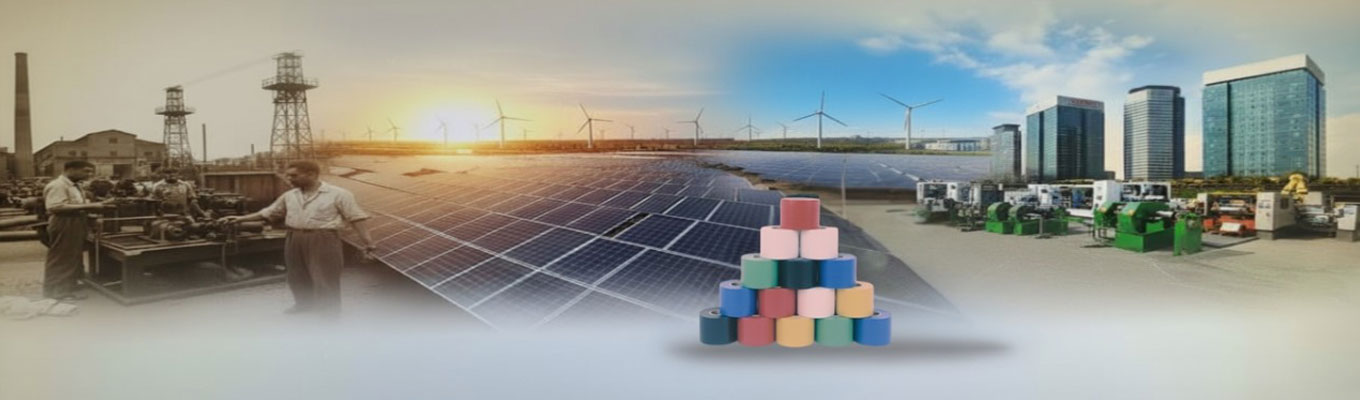
Our Legacy: A Century of Innovation, Growth, and Nation-Building
The Jindal Group of Industries stands as a testament to over a century of visionary leadership, industrial excellence, and unwavering commitment to nation-building. What began as a humble construction venture in the early 20th century has now evolved into a diversified conglomerate with interests spanning adhesives, insulation tapes, infrastructure, and green energy.
-
1901
The Foundation: Jindal Construction
The Group traces its origins back to 1901, when the visionary Late Shri Lala Ram Chandra Jindal and Late Shri Janki Dass laid the cornerstone of Jindal Construction in Delhi. Starting with small-scale cement manufacturing, the company quickly earned a reputation for reliability and quality in India’s burgeoning construction sector.

-
1910

Building National Icons
Under the leadership of Lala Ram Chandra Jindal, Jindal Construction contributed to the development of some of India’s most iconic landmarks, including the Rashtrapati Bhawan. His contributions are recognized as pioneering efforts in India’s post-independence industrial and infrastructural evolution. He was also a founding member of the Federation of Business Owners, advocating for Indian entrepreneurship during a transformative era.
-
1917
Diversification: Jindal Oil Mills & the Peecock Brand
In 1917, Lala Ram Chandra Jindal expanded into agro-industries by establishing Jindal Oil Mills in Shahdara, Delhi, one of India’s earliest mustard oil mills. The brand was marketed under the name Peecock, which quickly gained recognition for its purity and reliability.
The Peecock mustard oil brand became a household staple, tapping into major markets across Bengal, Bihar, and Odisha. Over time, it became synonymous with trusted Indian culinary and wellness traditions, establishing a lasting legacy in eastern India.

-
1900s

Urban Development: Bengali Market
Beyond industrial ventures, the Group played a key role in shaping modern Delhi. It was instrumental in the development of Bengali Market, now one of the city’s most iconic commercial hubs—reflecting the Group’s lasting impact on Delhi’s urban and economic landscape.
-
1980s
New Leadership: Shri Jadoo Ram Jindal
The second generation of leadership began with Late Shri Jadoo Ram Jindal, who modernized the Group’s operations and extended its industrial scope. A founding member of the Federation of Delhi Factory Owners, he steered the Group into a new era of manufacturing and innovation.

-
1985

Foray into Adhesives & Electrical Tapes
Under his leadership, the Group entered the adhesives and insulation segment with the launch of M/s. JR Jindal Electrical Tapes. The company began manufacturing Fevicol-based adhesives, BOPP tapes, and PVC insulation tapes, quickly becoming a trusted supplier in the industrial and electrical sectors.
-
1986
Rise in Tape Manufacturing
From 1986 onward, the Jindal Group experienced sustained growth in the industrial tapes market, driven by product quality, innovation, and strong market presence. It soon became one of India’s leading players in the segment, with a vast customer base across industries.

-
2012

Third-Generation Leadership: Shri Sanjeev Jindal
In 2012, the Group transitioned to its third generation of leadership under Chairman Shri Sanjeev Jindal, who brought a new strategic vision to the business. That year, he founded JR Jindal Infraprojects Pvt. Ltd., which has since become a market leader in PVC insulation tapes, known for quality, efficiency, and innovation.
-
2025
Milestone Achievement: India’s First Fully Integrated Tape Facility
Today, the Jindal Group is in the final stages of launching India’s first fully integrated in-house tape manufacturing facility in Balaghat, Madhya Pradesh, under the Government of India’s Make in India initiative. This state-of-the-art facility is a bold step toward domestic manufacturing excellence and self-reliance in the industrial tapes sector.
The Group continues to thrive under its dynamic fourth-generation leadership—Mr. Ankit Jindal and Mr. Rakshit Jindal—who are bringing fresh energy, innovation, and global vision to the business, while staying rooted in the legacy and values established over the past century.

-
Projects
Expansion into Green Energy
Aligned with India’s clean energy goals, the Group is actively diversifying into the green energy sector. It is currently establishing a 400 KLPD ethanol production plant in Balaghat, contributing to the national ethanol blending and biofuel mission.
Future Ventures
- Solar Panel Manufacturing: Plans are underway to enter solar photovoltaic panel production, aligning with India’s renewable energy targets.
- Compressed Bio-Gas (CBG): The Group is exploring opportunities in CBG production, furthering its commitment to sustainability, rural development, and energy security.
A Century and Beyond
From building national icons and nourishing generations with Peacock mustard oil, to leading innovation in industrial tapes and now advancing into clean energy—the Jindal Group of Industries continues to grow while upholding its core values of quality, innovation, and nation-building.